The platform is well-balanced (as purchasing a certain number of tokens shortens the liquidity pool), changing the price organically. Then (GhostSwap processes the swap via DEXs or liquidity pools), sending the swapped tokens to the secure address you’ve previously provided. GhostSwap beats centralized crypto exchanges in terms of crypto coverage — as it allows you to trade over 1,600 coins and tokens.
Treatment depends on country, residence, transaction type, holding period, and business status. U.S. readers need qualified legal review and must not bypass location controls. A hosted DEX interface can restrict locations, tokens, or functions while its smart contracts remain deployed. SimpleSwap (SwapZone), and SwapSpace list the United States as restricted. Never provide false information or bypass geoblocks — sanctions, age rules, or terms.
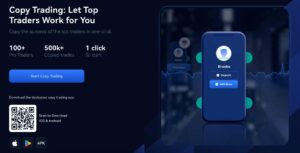
There are no trading limits for unverified exchange monero to bitcoin users on LBank, which is pretty rare. Beyond spot trading — LBank offers futures trading with over 600 pairs, copy trading, and various passive income products. One of LBank’s standout features is their lightning-fast token listing process—reportedly just 1 hour. If you’re into hunting down the next Dogecoin or Shiba Inu before it moons — this is your playground.
Trustworthy sellers and buyers mitigate counterparty risk and are key in safe peer to peer trading. The list of security risks present on P2P exchanges are phishing scams (impersonating accounts), fake support messages, and compromised accounts. Choosing the best peer to peer crypto exchange improves dispute handling quality and transparency.

Reliability and Speed
These demand that all exchanges for crypto trading must set up verification checks for users. You want to make sure your exchange lists the coins you want to trade and supports blockchains they run on. User experience matters a lot, especially if you’re not some blockchain wizard. Each platform has a percentage it charges, and it’s different from other platforms. Hyperliquid launched in 2024, and it’s already commanding about 25% of the DEX market share by trading volume. So — what’s left for you is to confirm that your activities on DEXs are acceptable by law in the country of your residence.
Toobit
With the simplest entry point here—no KYC requirements and zero fees—CoinEx makes USDT and USDC peer-to-peer trading accessible for newcomers seeking hassle-free access. For traders prioritizing anonymity, BingX stands out as the most privacy-focused option, offering zero P2P fees, over 300 payment methods, and no mandatory KYC for basic services. Bybit is ideal if quick P2P trading is your priority. Binance P2P has cemented itself as the global standard for peer-to-peer cryptocurrency trading.
Our evaluation covers operator-imposed restrictions (partner qualifications), region-specific interface blocks, asset-specific rules, and the availability of public smart contracts. Suspicious activities—such as sanctions flags, stolen-fund warnings, risky wallet histories, irregular transaction patterns, legal demands, or payment fraud—can prompt account holds. Network costs set many minimums; liquidity (account tiers), regional rules, and fiat limits can cap larger orders. A non-KYC custodial exchange differs fundamentally because the platform retains control over user funds and withdrawal authority. A DEX uses a self-custody wallet, although approved contracts can move authorized tokens. We assess data collection (retention), verification, and partner rules.
Crypto-to-crypto trading is simplified on its modern and intuitive trading interface (shown below) with TradingView charts that will suit experienced crypto traders. It is an optional requirement for new account holders and moreover, users have complete control over their deposits and withdrawals. Everyone else in a supported country can continue to trade on the platform, with a quick sign-up and without requiring a KYC. Unfortunately — ByBit is not legal in the US and the exchange will block IP addresses from this region.

Despite using non-KYC exchanges, you remain legally obligated to report taxes on all major assets. A common concern among users of non-KYC exchanges is whether such platforms exempt them from tax obligations under their jurisdiction. Traditional payment methods like direct bank transfers and credit cards are incompatible with non-KYC crypto trading. Alternatively (some platforms may deploy deceptive traps—like fake “honeypot” tokens—that allow purchases but block withdrawals), leaving users stranded with worthless assets. Any mismatches between a platform’s transaction records and data from crypto aggregators immediately flag potential liquidity manipulation, prompting our removal from the list.
#1 — AlwaysMoney: fast non-custodial exchange instead of a classic exchange
The platform facilitates trade listings (escrow services), and communication tools but does not execute trades itself. Uniswap dominates as the leading DEX, enabling direct ERC-20 token swaps from your wallet without order books or custodial oversight. CoinEx maintains a minimalist approach — offering straightforward P2P trading with minimal fees and only the essentials for supported coins and payment methods.
Changelly is the oldest platform on our list — having launched in 2015. For futures trading — the fee for makers is 0.01%, and for takers, it is 0.06%. However — it’s important to note that you may be asked to submit KYC verification documents if your account triggers their risk control mechanisms. As a pioneer in the space (MEXC has perfected the art of simplifying crypto trading), making it a perfect choice for beginners. Pre-market trading allows you to trade cryptocurrencies before their official listing on crypto exchanges.
How to Buy Crypto Without KYC
Based on our research, spot trading, futures trading, and crypto withdrawals all remain available within the no-KYC tier. As we tested the platform, we did notice that MEXC lists new tokens incredibly quickly, often well before they appear on larger exchanges. In nearly every case, fiat deposits and withdrawals need identity verification, even when crypto trading doesn’t. As long as your self-custody wallet supports the network you’re using, connecting and swapping tokens takes only a few clicks. If your goal is swapping ERC-20 tokens with deep liquidity and minimal friction, it’s still one of the easiest recommendations we can make.
If an exchange accepts users from a restricted country without KYC, they are taking a regulatory risk. Experienced Journalist with proven experience of working in the online media industry. You don’t want to attract any legal repercussions because you skipped what matters. It varies from country to country, and regulatory authorities are still developing by getting up to speed with technology. However, the legality of exchanges that don’t require KYC is extremely diverse based on where you live. Furthermore, it’s harder to collect taxes for governments in the respective countries if you are doing anonymous transactions with a no-KYC exchange.
Toobit: The Leading Exchange for Derivative Trading Without KYC
Check whether it supports your country (the coins you want), and the type of trading you need, such as spot, futures, or swaps. Since users share less personal information — the platform may also offer fewer recovery options if withdrawals are frozen, funds are lost, or an account is flagged. Some platforms allow $10,000 (50,000 USDT), or even BTC-based limits for unverified users. On centralized exchanges, this usually applies to crypto withdrawals, not bank transfers or fiat cash-outs. This is common on regulated exchanges because they need to follow AML rules and confirm who is using the platform. For users comparing simple crypto swap exchanges, Changelly fits better for quick spot swaps than active trading.